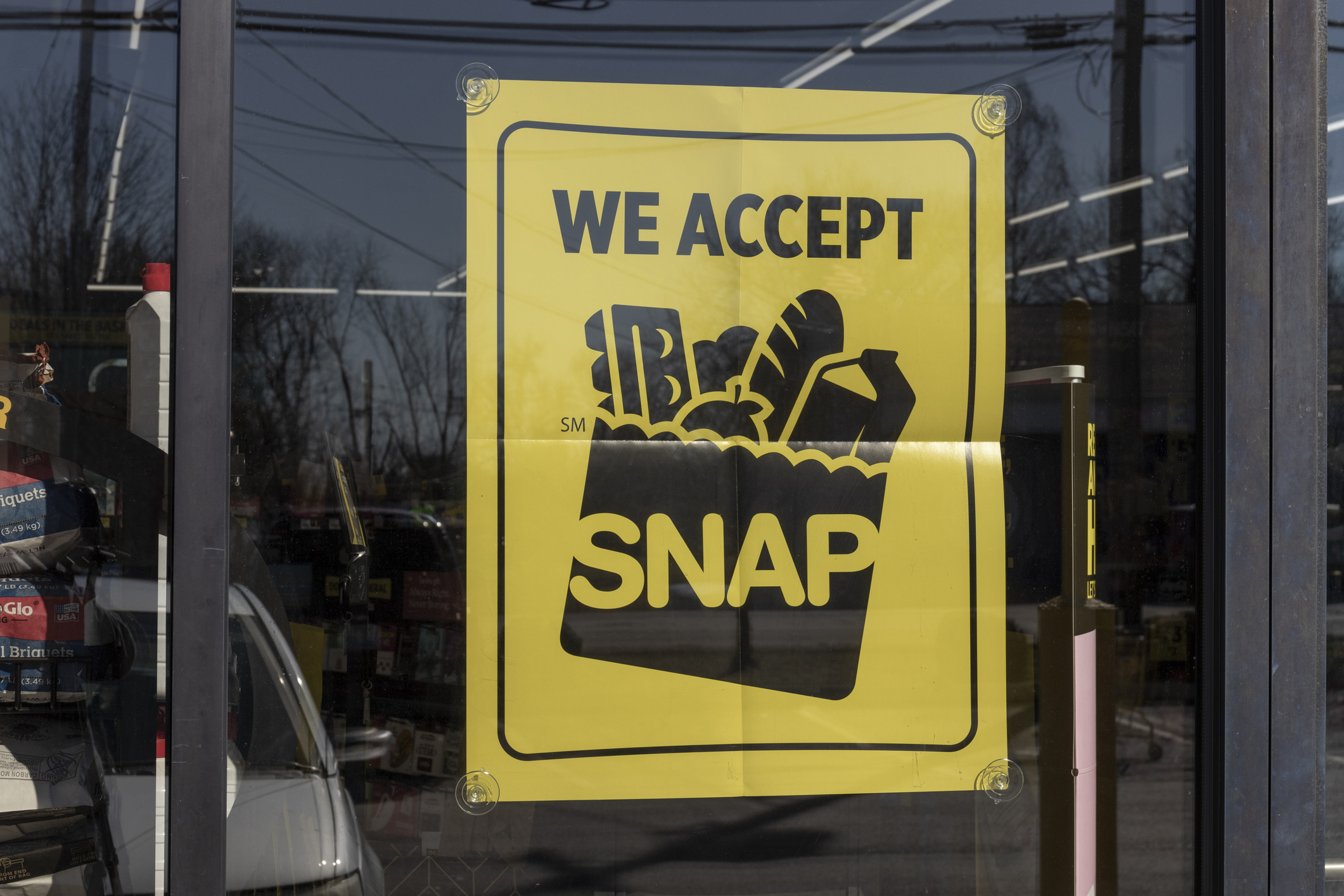
A California judge has temporarily blocked the federal government from collecting personal information about Supplemental Nutrition Assistance Program (SNAP) participants in 21 states and Washington, D.C.
Newsweek has contacted the USDA for comment via email outside of regular working hours.
Why It Matters
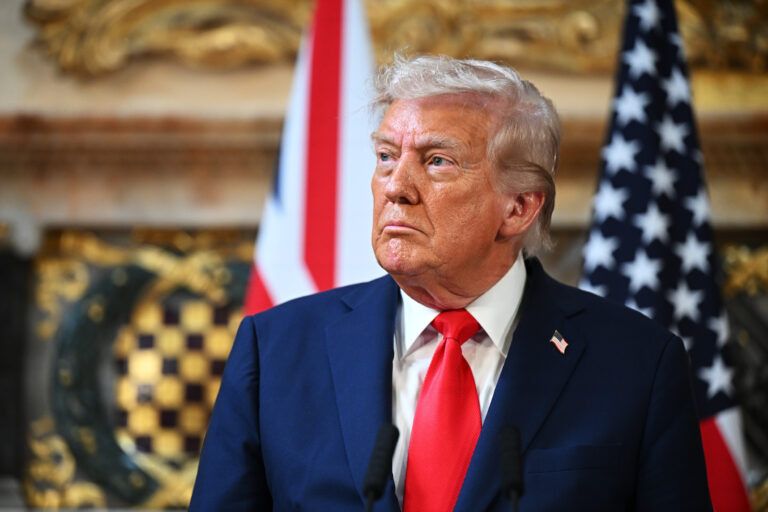
The United States Department of Agriculture (USDA), which manages SNAP, announced in May that states would be required to share benefit recipient data—including names, birth dates, addresses, and Social Security numbers—under an executive order from the President Donald Trump expanding data sharing between federal and state programs.
According to the USDA, the goal of the data collection is to help root out fraud in the program, which serves some 42 million people nationwide. But the federal government’s effort has been met with backlash and legal action from certain states.
What To Know
U.S. District Judge Maxine Chesney in California issued a temporary restraining order against the USDA on September 18, ruling that the states challenging the policy were likely to prevail, noting their argument that SNAP applicants’ personal data may only be used for purposes tied to administering the food assistance program and cannot be broadly shared.
California, New York, Arizona, Colorado, Connecticut, Delaware, District of Columbia, Hawaii, Illinois, Kentucky, Maine, Maryland, Massachusetts, Michigan, Minnesota, Nevada, New Jersey, New Mexico, Oregon, Rhode Island, Washington, and Wisconsin, were all part of the lawsuit. Nevada was also signed on, but is not covered by the temporary restraining order. The states cited privacy concerns as well as fears the data could be use for immigration enforcement.
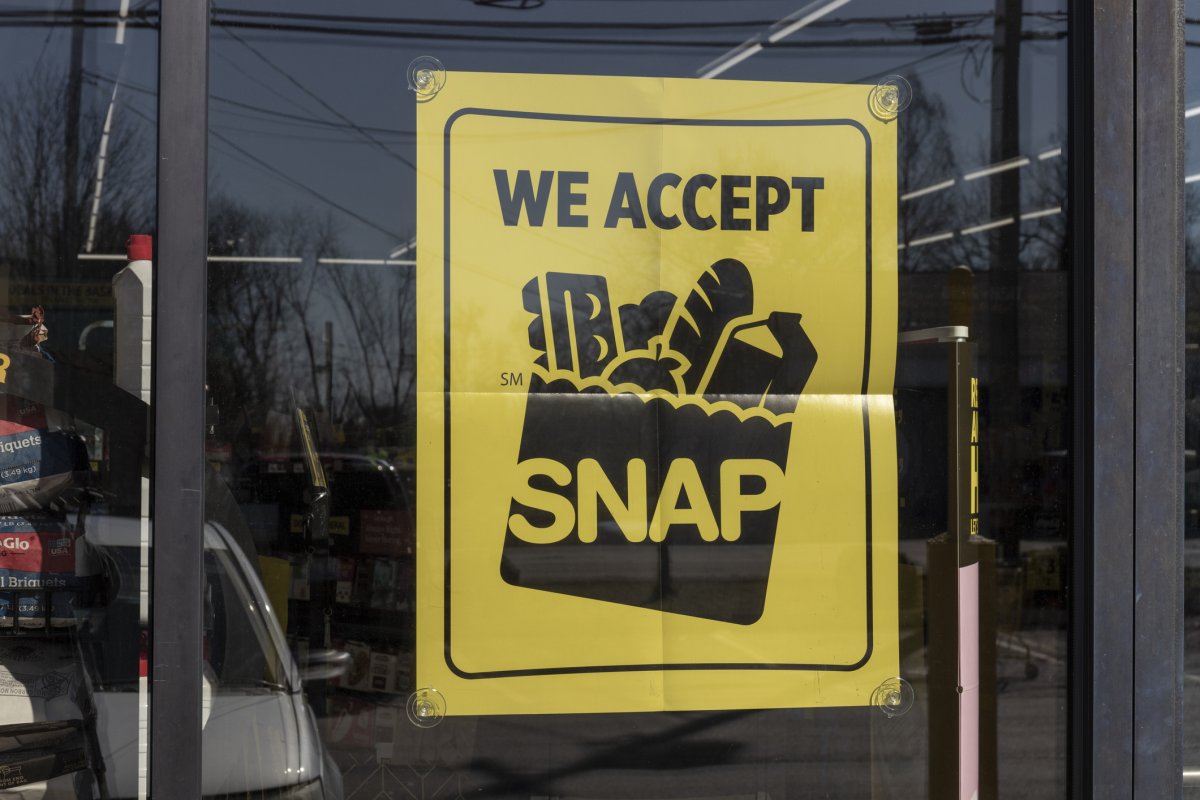
GETTY
In July, the USDA had warned that states refusing to hand over SNAP enrollment data risked losing federal food assistance funding. In response, the coalition of states sued, arguing the SNAP Act requires states to protect applicants’ information and only release it for specific, limited purposes tied to running or enforcing the program.
In a May 6 letter to state SNAP agency directors, the USDA’s Food and Nutrition Service “will use the data it receives from processors to ensure program integrity, including by verifying the eligibility of benefit recipients” and “will ensure Americans in need receive assistance, while at the same time safeguarding taxpayer dollars from abuse.”
The USDA has acknowledged, according to the filing, that the data could be disclosed “to a large number of entities, including numerous entities that are not assistance programs, and for purposes other than the administration or enforcement of an assistance program.”
What People Are Saying
Agriculture Secretary Brooke Rollins said in a May 6 news release announcing the data-sharing plans: “President Trump is rightfully requiring the federal government to have access to all programs it funds, and SNAP is no exception. For years, this program has been on autopilot, with no USDA insight into real-time data. The Department is focused on appropriate and lawful participation in SNAP, and today’s request is one of many steps to ensure SNAP is preserved for only those eligible.”
What Happens Next
The USDA has until September 26 to oppose the order. A hearing has been scheduled for October 9 to decide whether the block should remain in place.
About the Author